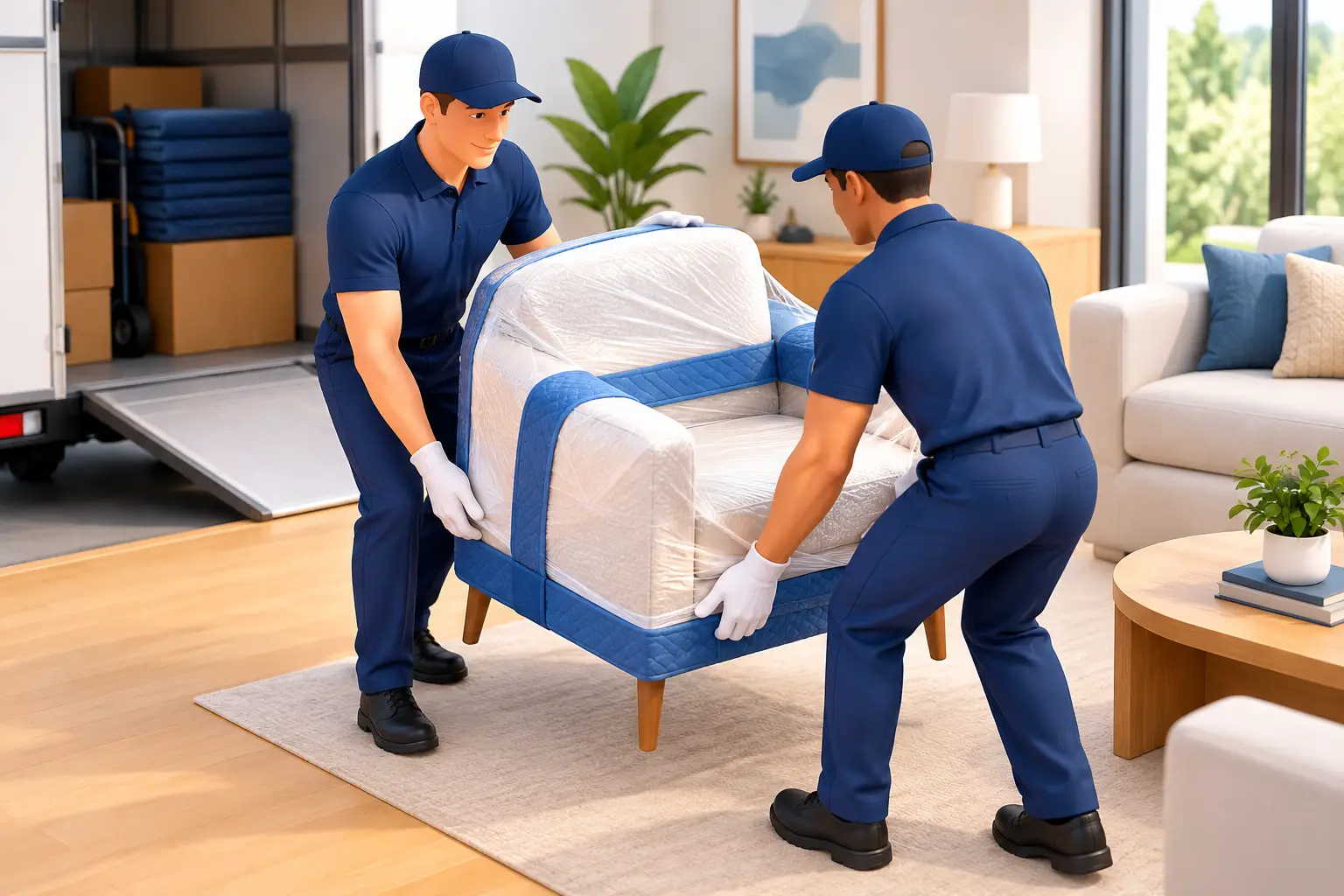
What White Glove Delivery Means for Your Items

A sofa collected from a retailer, a replacement machine part needed on site, or production equipment required for an early start all have one thing in common: they need more than a basic drop-off. White glove delivery is often the term people use when an item needs careful handling, a suitable vehicle and clear communication from collection through to delivery.
For many customers, the priority is not simply getting an item from A to B. It is knowing who is handling it, avoiding unnecessary transfers and making sure the delivery arrangements suit the item, the property and the deadline. That is where a dedicated courier service can make a practical difference.
What does white glove delivery mean?
White glove delivery generally describes a more attentive standard of transport for items that are valuable, bulky, fragile or difficult to replace at short notice. It is commonly associated with furniture, white goods, exhibition materials, office equipment and specialist business items.
The exact service can vary between providers, so it is worth being clear about what you need before booking. For one customer, it may mean a careful furniture collection and delivery to a room that is easy to access. For another, it may mean direct transport for urgent equipment, with collection and delivery times agreed in advance.
At its core, the service should focus on sensible planning and reduced handling. Rather than moving an item through several depots or vehicles, a dedicated vehicle collects the consignment and takes it directly to its destination. Fewer handovers can be particularly helpful for items that need to arrive in the same condition in which they were collected.
It does not mean the same thing for every job
The phrase can sometimes create assumptions about services that have not been arranged. White glove delivery does not automatically include unpacking, assembly, installation, packaging removal or carrying items through restricted access. These requirements need to be discussed before collection so the right service can be planned.
This is especially relevant for large furniture, white goods and office items. Access may involve stairs, narrow hallways, lifts, loading bays or parking restrictions. Sharing these details early helps avoid surprises on the day and allows the courier to select a suitable vehicle and approach.
When white glove delivery is the right choice
This type of delivery is a good fit when care, timing and direct transport matter more than sending an item through a standard parcel network. It can work equally well for businesses and private customers, but the reason for booking is often different.
For businesses, the need is frequently time-sensitive. An engineering firm may need an essential component delivered to keep work moving. A legal team may need important documents taken directly to a client or office. An events company may need display equipment collected from Liverpool and delivered to a venue elsewhere in the UK without it being transferred between vehicles.
A dedicated service is also useful for regular business movements. Retail stock, automotive parts, construction supplies and pallets can be scheduled around site requirements, stock levels or customer commitments. If you have repeat transport needs, a business courier account may provide a straightforward way to manage bookings and centralise billing, subject to approval.
Private customers often book a careful delivery for different reasons. You may have bought a sofa through a retailer or marketplace, need a fridge collected, or be moving a few key items as part of a small house move. You may also need a forgotten laptop, keys, luggage or passport delivered quickly to another part of the country.
In each case, the useful question is not whether the item is labelled fragile. It is whether you would benefit from a direct journey, a vehicle chosen for the load and communication that keeps you informed.
Why direct transport matters
A parcel network is designed to process large volumes of consignments. That can be suitable for many everyday items, but it may not be the best arrangement for a bulky, urgent or particularly important load. Each sorting stage and vehicle transfer introduces another handling point.
With dedicated transport, your consignment travels from collection to destination in one vehicle. This gives you a clearer chain of movement and means the journey can be planned around your collection and delivery requirements. It is particularly helpful when a delivery has a fixed deadline, needs to reach a specific person or cannot be left unattended.
Direct transport also makes communication more straightforward. If access arrangements change, a delivery contact needs updating or the collection is delayed, there is a clearer route for passing on that information. For a business waiting on a vital part or a homeowner arranging furniture delivery, that reassurance has real value.
Planning a white glove delivery properly
Careful delivery begins before the vehicle arrives. A clear quote depends on understanding the item, the journey and the access at both ends. The more accurate the details, the easier it is to arrange the right vehicle and avoid delays caused by preventable issues.
Describe the item and its dimensions
Give the size, weight and quantity wherever possible. A boxed television, a set of dining chairs and a pallet of stock may all require different space and loading arrangements. Mention whether the item is awkward to handle, already packaged, loose, or needs to travel upright.
Photographs can also be useful when you are arranging transport for furniture, equipment or unusual loads. They help provide a realistic picture of what needs to be collected without relying on broad descriptions such as “large” or “heavy”.
Check collection and delivery access
Confirm whether there are stairs, lifts, narrow doorways, low entrances, site security procedures or limited parking. For business collections, include the contact name, site opening times and any reference details needed for access. For residential deliveries, let the courier know if there are parking restrictions or a long walk from the vehicle to the entrance.
These details are not minor administration. They influence how the job is planned and can be the difference between a straightforward collection and a difficult one.
Choose a vehicle that suits the load
The smallest vehicle is not always the most practical choice. A car or small van may suit documents, laptop bags and compact items. Medium vans, extra-long-wheelbase vans and Luton vans offer more space for furniture, stock, equipment and larger consignments.
The right choice depends on dimensions, weight, packaging and how the load needs to be positioned. Selecting the vehicle around the actual requirement helps protect the item and gives the driver the space to secure it sensibly for the journey.
Agree the timing and delivery contact
If the item is urgent, say why. A production team may need equipment before a scheduled shoot, while a construction site may be waiting for materials before work can continue. Clear timing information allows a realistic collection and delivery plan to be discussed.
It also helps to provide a delivery contact who can receive the item. If a signature, site check-in or specific handover is required, make that known when booking. A well-planned handover is part of careful delivery, particularly when the recipient may not be the person who arranged the collection.
Is a dedicated service worth it?
It depends on what is being moved and what is at stake if the item is delayed or handled repeatedly. A low-value, non-urgent parcel may be suited to a standard delivery option. However, direct transport is often the more sensible choice for urgent documents, essential parts, business equipment, furniture, white goods and items with awkward dimensions.
The value is not only in the journey itself. It comes from having a vehicle suited to the load, fewer handling stages and a delivery plan built around your actual requirements. For businesses, it can help protect working time and customer commitments. For private customers, it can make an otherwise difficult collection or move far easier to arrange.
DB Couriers provides dedicated same-day, next-day and scheduled transport from Liverpool across the North West and nationwide. Whether you are arranging an urgent consignment, a furniture collection or regular business deliveries, we can discuss the load, access and timing before providing a clear, tailored quote.
If your item needs more care than a standard drop-off, start with the practical details: what is being moved, where it is going and when it needs to arrive. Request a free quote and arrange a collection that suits the job.


Comments