How Dedicated Courier Delivery Works in Practice

A production team has left vital equipment at a Liverpool venue. A garage needs a replacement part before work can continue. Or you have sold a sofa and need it collected and delivered without asking the buyer to arrange transport. In each case, how dedicated courier delivery works is simple: your consignment is collected in a vehicle assigned to that job and taken directly to its destination.
That direct journey is what separates a dedicated delivery from a standard parcel network. The item does not enter a sorting depot, wait to be grouped with other loads or move between several vehicles. For urgent, valuable, awkward or bulky items, fewer handovers can make a real difference.
How dedicated courier delivery works from booking to delivery
The process begins with the details that affect the journey. You tell us what needs moving, where it is being collected from, where it is going, when it needs to arrive and whether there are any access considerations. Dimensions, weight and the number of items matter too. A box of documents, a pallet of stock and an extra-long piece of construction material need very different vehicles.
We use this information to provide a clear, tailored quote and plan the collection. If the delivery is urgent, the focus is on arranging a suitable vehicle and getting it on the road promptly. For a booked delivery, collection and delivery can be scheduled around your business hours, site access or the recipient's availability.
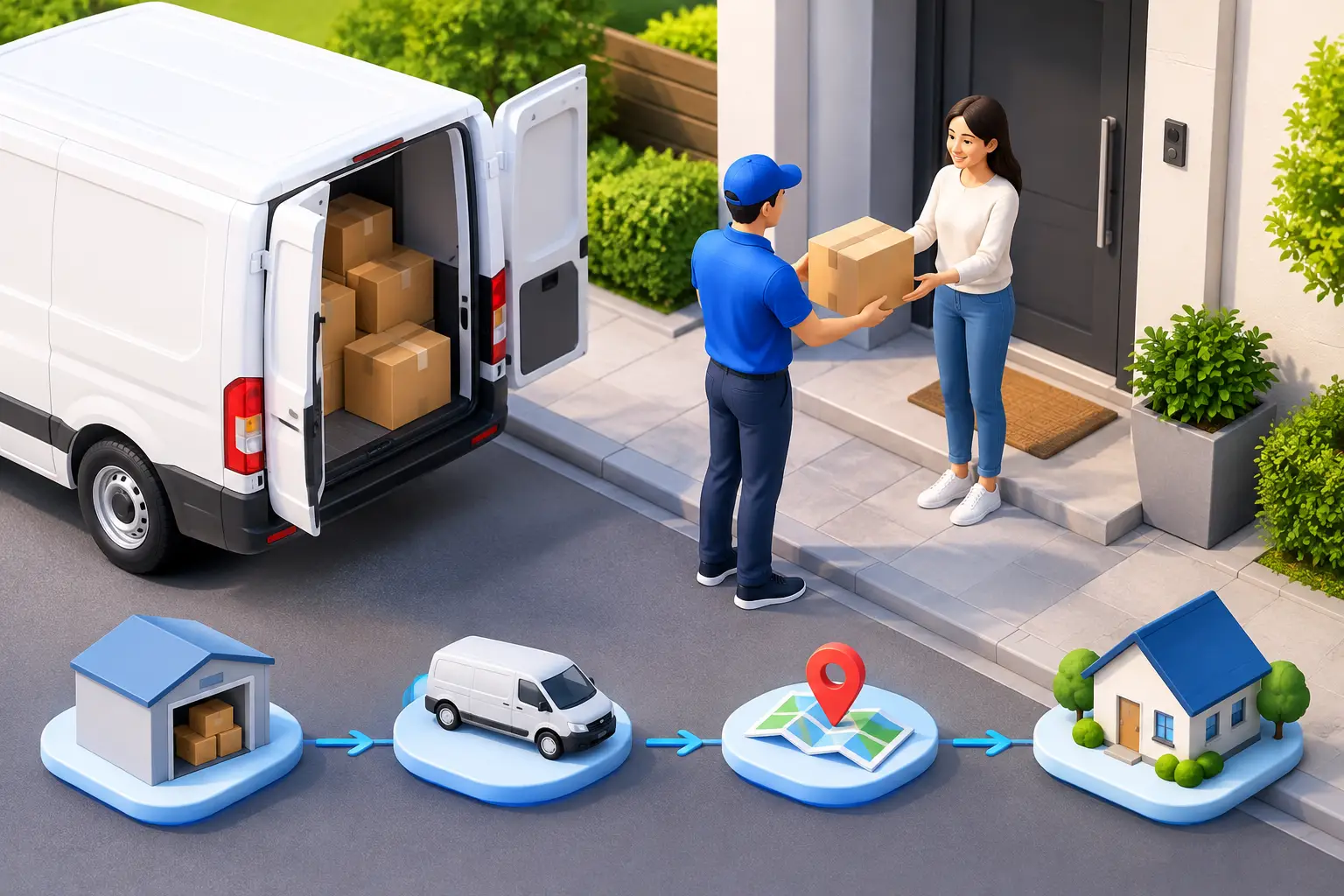
Once collected, the driver takes the consignment directly to the agreed destination. There are no planned depot stops or transfers to another driver. This means one vehicle and one journey are dedicated to your item or load from collection through to delivery.
Communication remains important throughout. You may need to confirm that a recipient is ready, advise a site contact or coordinate delivery alongside a production schedule. A good dedicated courier service keeps the arrangements clear, so you know what is happening and can update the people expecting the delivery.
Choosing the right vehicle
Vehicle choice is not just about fitting everything in. It also affects safe loading, journey efficiency and the level of protection an item receives in transit. A forgotten laptop or urgent legal document may be well suited to a car or small van. Automotive components, retail stock and several large boxes may need a medium van. Furniture, exhibition equipment and larger loads may require an extra-long-wheelbase or Luton van.
Providing accurate information at booking helps avoid unnecessary delays. Let us know if the item is particularly long, heavy, fragile or difficult to carry. It is also helpful to mention stairs, restricted access, loading bays, timed site slots and whether someone will be available at both ends of the journey.
For private customers, a few photographs and measurements can help clarify whether a sofa, washing machine or marketplace purchase will fit. For businesses, a packing list or pallet dimensions can make transport planning more straightforward.
Why direct delivery can be the right choice
Dedicated delivery is particularly useful when timing and handling matter more than the lowest possible cost. Because the vehicle is assigned to your consignment, you are paying for direct transport rather than a shared network service. That will not be necessary for every item, but it can be the practical choice when a delay would disrupt work, a deadline or a planned handover.
Consider an engineer waiting for a replacement component. Sending the part directly to site can help keep a repair moving. A retailer may need stock transferred between locations for a busy weekend. A legal practice may need signed paperwork delivered to meet a deadline. In these situations, the value lies in a journey planned around the consignment rather than around a wider parcel route.
Reduced handling is another benefit. Every transfer point creates another stage to manage. Direct transport avoids the repeated loading, unloading and sorting often associated with network distribution. This is useful for fragile equipment, presentation materials, event items and personal belongings, although sensible packaging is still essential.
A dedicated vehicle can also make bulky deliveries easier to arrange. One customer may need furniture collected from a shop and delivered to a home. Another may be moving office equipment between locations. Direct transport keeps the load together and provides a clear collection-to-destination plan.
Same-day, next-day and scheduled journeys
The right service depends on when the item must arrive. Same-day dedicated delivery suits urgent consignments that need to travel as soon as arrangements are confirmed. This may include a forgotten laptop needed for a meeting, last-minute film equipment or a machine part required before a shift can resume.
Next-day delivery can be a sensible option where the item is important but does not need immediate collection. It allows you to plan ahead while retaining the benefits of a direct, dedicated journey. Scheduled transport is often useful for regular stock movements, recurring site deliveries or planned events.
For repeat requirements, businesses may prefer a regular courier arrangement. This gives operations teams a familiar booking route for ongoing work, from moving stock between branches to delivering parts to customers. Subject to approval, a business courier account can also support repeat bookings and centralised billing.
What happens at collection and delivery
At collection, the driver checks that the items match the booking details and loads them into the chosen vehicle. Clear labelling is helpful where there are several boxes or deliveries to a larger site. If there are handling instructions, share these before collection and make sure the items are packed appropriately for road transport.
The direct journey then begins. Unlike a multi-drop parcel service, the vehicle is not collecting and delivering a series of unrelated parcels along the way. Its route is planned for your consignment and destination. If conditions on the road affect the journey, clear communication helps you manage expectations with your customer, colleague or recipient.
At delivery, access is checked and the consignment is handed over at the agreed location. It is worth confirming in advance whether delivery is to a reception desk, loading bay, ground-floor entrance, office or another accessible point. This is especially relevant for heavy items, furniture and larger business loads.
Dedicated courier transport does have practical limits. A driver can transport goods carefully, but collection and delivery arrangements need to reflect the load, access and the help available on site. If an item is unusually heavy or needs specialist lifting, tell us before booking so the job can be assessed properly.
When a dedicated courier is most useful
A dedicated courier is a strong fit when the journey itself needs to be controlled. Common reasons include an urgent deadline, a delivery to a customer or worksite, a fragile or high-priority item, a bulky load, or a collection that cannot be left to a standard parcel process.
It can also be useful when you need flexibility. Perhaps a supplier has confirmed stock late in the day, an online marketplace seller is only available within a short window, or an exhibition stand needs collecting after an event. A tailored collection arrangement and suitable vehicle can remove much of the uncertainty from these jobs.
DB Couriers provides dedicated same-day, next-day and scheduled transport from Liverpool and across the UK. We move everything from urgent documents and laptops to pallets, furniture, office equipment and exhibition materials, with the vehicle selected around the load and journey.
If you need direct transport for an urgent item, a planned delivery or regular business work, request a free quote with your collection point, destination, item details and required times. We can help you arrange a journey that fits the job.


Comments