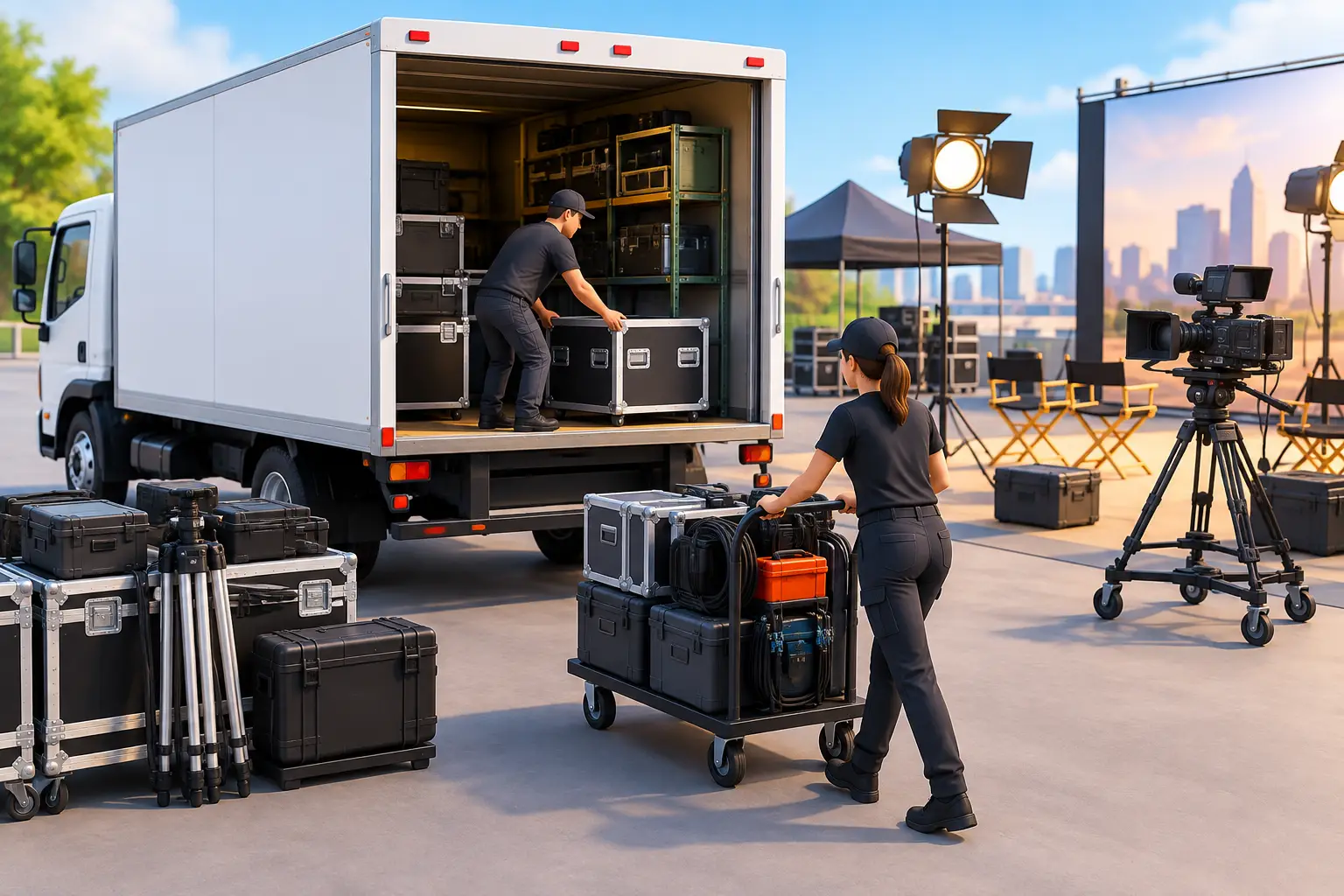
Film and TV Production Transport for Equipment and Supplies

A camera body left at a previous location, a last-minute set dressing collection or a vanload of lighting stands needed before call time can put real pressure on a production day. Film and TV production transport for equipment and supplies needs to work around changing schedules, different load sizes and the need for careful handling at every stage.
For many shoots, the issue is not simply getting an item from A to B. It is getting the right equipment to the right entrance, at the agreed time, with a driver who understands that a delay can affect crew, location access and the day’s schedule. A dedicated courier service gives productions a practical option when equipment, props or supplies cannot wait for a standard delivery route.
When production transport needs a dedicated vehicle
Production teams work across studios, temporary locations, offices, hire companies, workshops and private addresses. Collections can change during the day, and delivery points are not always straightforward. A city-centre location may have restricted access. A rural set may need a timed arrival. A studio may have specific loading arrangements that need to be followed.
Dedicated transport is particularly useful when the consignment is time-sensitive, valuable to the production or awkward to send through a parcel network. The vehicle collects your items and travels directly to the destination, rather than passing through sorting depots or being transferred between vehicles. That means fewer handling points and clearer responsibility for the journey.
This can suit an urgent replacement lens, a batch of radio microphones, wardrobe rails, printed scripts, location signage or essential consumables. It also works for larger loads, such as cases of grip equipment, set materials, monitors, props and exhibition-style display items used for promotional filming.
Direct delivery does not remove the need for planning. It gives you more control over the plan. Before booking, it helps to confirm the collection address, destination, contact names, loading access and the latest acceptable delivery time. If there are stairs, height restrictions or a narrow loading bay, say so at the outset. The right information helps us select a suitable vehicle and organise the journey properly.
Film and TV production transport for equipment and supplies
The best vehicle depends on the load, not just the distance. A forgotten hard drive or a small case of accessories may be suited to a car or small van. A larger collection of flight cases, stands and production supplies may require a medium or extra-long-wheelbase van. For bulkier items, a Luton van can provide the space needed for a more substantial load.
Choosing enough capacity matters. Overfilling a vehicle makes safe loading more difficult and can turn a simple collection into a problem at the kerbside. Equally, booking far more space than you need may not be the most practical option. Providing approximate dimensions, the number of cases and any particularly heavy or long items allows for a more accurate quote and a better match of vehicle to consignment.
Equipment should be prepared for transport before collection. Flight cases, padded bags and properly sealed boxes help protect cameras, sound equipment and electrical items. Loose accessories should be secured and labelled. If several departments are sending items to one location, clear labels can reduce confusion when unloading begins.
For larger productions, a simple load list is useful. It does not need to be complicated. Note what is travelling, how many pieces there are, which items are priority and who will receive them. This is especially helpful when equipment is being collected from more than one supplier or delivered to a busy unit base.
Urgent collections when the shoot is already moving
Last-minute transport is a familiar production requirement. A location has changed. A hired item has been sent to the wrong address. A crew member has left a vital laptop at home. A replacement part is needed to keep a camera rig or lighting setup in use.
In these situations, the priority is clear communication. Tell the courier what needs collecting, where it is, where it needs to go and why the timing matters. Give a contact at both ends of the journey, along with any site instructions. If the delivery must reach a specific department, such as camera, art, costume or production office, include that detail rather than relying on a general location address.
A dedicated same-day vehicle can be arranged for urgent UK journeys, subject to availability and the collection and delivery requirements. DB Couriers is Liverpool-based and can support local work across the North West as well as nationwide collections and deliveries. Whether the journey is from Liverpool to Manchester or from a supplier elsewhere in the UK to a location, the service is planned around your load and schedule.
It is sensible to be realistic about what is possible. Road conditions, collection readiness, loading access and the distance involved all affect the journey. A clear quote should reflect the actual requirement, rather than making vague promises. If timings shift before collection, letting the courier know early gives more scope to adjust the arrangement.
Planning scheduled and multi-location transport
Not every production movement is an emergency. Scheduled transport can help when you know equipment needs to move before a shoot, between locations or after wrap. This may include taking props from a workshop to a set, moving equipment to a recce, collecting stock for a production office or returning hired kit after filming.
For a series of planned journeys, it is worth looking at the whole schedule rather than booking each movement in isolation. Consider collection windows, location access, crew availability and whether the vehicle needs to wait while items are unloaded. A route with several stops can be practical, but only when the order of collections and deliveries protects the most time-sensitive items.
Production schedules can change quickly, so flexibility matters. It may be better to arrange separate direct runs for essential equipment than to place it within a larger, more complicated route. The right approach depends on the urgency of each item, the amount being moved and whether the destination can receive it immediately.
Businesses with repeat requirements can also discuss a courier account with centralised billing, subject to approval. This can make repeat bookings easier for production companies, equipment suppliers and related businesses that need regular transport support.
Loading, delivery and handover details that save time
A successful delivery often comes down to details that are easy to overlook in a busy production office. Confirm whether the driver needs a booking reference, gate pass, loading-bay slot or a named contact who can meet the vehicle. For private locations, make sure the recipient knows a delivery is due and can give access.
Think about the final handover too. The person receiving a vanload of equipment may not be the person who booked it. A short description of the load, clear labels and a recipient contact make it easier to check that the right cases and supplies have arrived. If there are return items, make that clear when arranging the collection so the vehicle and timing can be considered.
Careful handling starts before the vehicle arrives. Pack equipment sensibly, keep heavy cases manageable and avoid leaving loose items for the driver to identify or sort. The courier can then focus on collecting and transporting the consignment directly, while your crew stays focused on the shoot.
A straightforward way to arrange production transport
When you request a quote, share the collection and delivery postcodes, required dates or times, a description of the items and any access information. Include the number of pieces, approximate sizes and whether the load contains bulky cases, stands or fragile equipment. This gives a clearer picture of the vehicle required and helps avoid surprises on collection.
For urgent requirements, contact details for the sender and recipient are just as useful as the address. For planned work, providing the schedule early allows transport to be arranged around your production timetable. The aim is simple: your equipment and supplies travel in a suitable dedicated vehicle, with fewer handling points and clear communication from collection to destination.
If you have an upcoming shoot, an equipment return or a last-minute production requirement, request a free quote and arrange transport around the work that needs to happen next.
Comments