Courier Services for Independent Shops UK

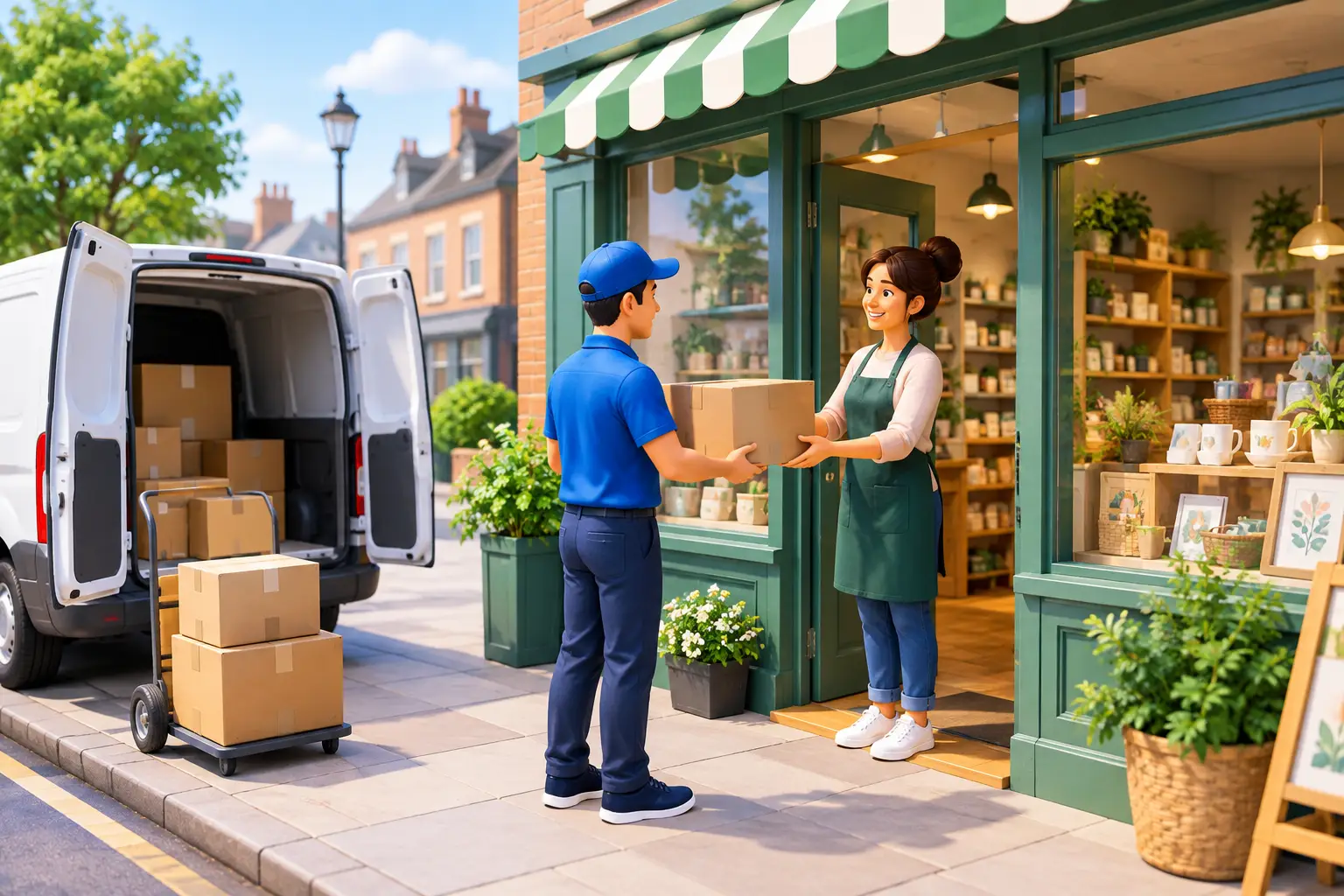
A missing product line, a last-minute customer order or a vital piece of shop equipment can quickly disrupt a trading day. Courier services for independent shops give you a practical way to move goods without waiting for a standard parcel network to process them. When timing matters, a dedicated vehicle can collect your items and take them directly to their destination.
For independent retailers, delivery is not just a back-office task. It affects what is on the shelf, whether an online order reaches a customer as expected and how quickly you can respond when plans change. The right transport support should fit around the way your shop works, whether you need a one-off urgent collection or regular deliveries between suppliers, stock rooms and customers.
Why independent shops need flexible transport
Independent shops often work with tighter stock levels than larger chains. That can be part of their appeal: carefully chosen ranges, seasonal products and stock selected for local customers. It also means a delay in receiving a fast-selling item can have an immediate impact.
A dedicated courier is useful when you need stock transferred between branches, collected from a supplier or delivered from your shop to a customer without unnecessary handling. Rather than entering a depot network, the consignment stays in one vehicle from collection to delivery. This can be particularly helpful for urgent replenishment, fragile display items, samples or goods that need to arrive in good condition.
The need is not always about an emergency. A scheduled delivery may help you move regular stock to a market stall, take orders to a local business customer or transport point-of-sale materials ahead of a promotion. For shops selling larger items, a suitable van also provides an alternative to asking customers to arrange their own collection.
Courier services for independent shops: common uses
Every retailer has different delivery pressures, but several situations come up regularly. A fashion boutique may need a new collection collected from a local supplier before a weekend event. A specialist food retailer may need packaging or non-temperature-sensitive dry stock moved between locations. A homeware shop may need a sofa, table or boxed item delivered to a customer who cannot transport it themselves.
Online sales create another set of requirements. A customer may have chosen your shop because they want a particular item quickly, or because they value a more personal service than a large marketplace can offer. For a local same-day order, direct transport can help you offer a clear collection-to-delivery journey. For a UK delivery, it can help where the item is too large, too urgent or too important to leave waiting through several handling stages.
Courier support can also keep the business moving behind the scenes. You might need replacement card-machine equipment, a printer part, shop keys or a forgotten laptop sent to another location. These are small items, but the effect of not having them can be significant.
When a dedicated vehicle is the right choice
Not every item needs a dedicated same-day courier. Standard parcel services can suit routine, low-value and non-urgent consignments that are packed for network handling. A dedicated vehicle becomes more appropriate when the timing, size or care required changes the risk of delay or damage.
Consider direct delivery when an item is needed for a fixed deadline, such as a customer collection, pop-up shop, trade event or product launch. It is also a sensible option when you are moving awkward, bulky or delicate goods that should not be passed between vehicles. A direct journey gives you fewer handling points and a clearer plan for the collection and delivery.
Vehicle choice matters too. A small parcel or set of documents may travel well in a car or small van. Shop fittings, multiple boxes of stock, furniture or larger display materials may need a medium, extra-long-wheelbase or Luton van. Matching the vehicle to the load helps keep the booking practical and avoids paying for space you do not need.
Planning a collection with less disruption
A courier booking is easier to manage when you can provide a few clear details at the start. The collection and delivery addresses, contact names, item dimensions, approximate weight and deadline all help establish the right vehicle and route. If access is restricted, such as a pedestrianised high street, shopping centre loading bay or upper-floor unit, mention this when requesting a quote.
It also helps to explain how the goods are prepared. Are they boxed and labelled? Does the driver need to collect from a rear entrance? Will someone be available at the destination to receive them? Straightforward information reduces avoidable calls and helps the collection run more smoothly.
For customer deliveries, agree the service expectation before the item leaves your shop. Confirm the delivery address and recipient contact number, and make sure the customer understands what is being delivered and when they need to be available. This is especially useful for larger items such as furniture and white goods, where access and a safe handover need consideration.
Supporting your customers without overpromising
Fast delivery can be a valuable part of an independent shop's service, but it should be offered carefully. Only promise a delivery option once the collection point, destination, load and timing have been checked. A realistic plan is better for your customer and your team than a vague assurance made at the till.
Direct delivery can help you respond well when a customer needs an item urgently, has difficulty collecting it or is buying something bulky. It can also help when you want to make a personal gesture, such as delivering a replacement after a product issue. The focus should be on clear communication: tell the customer what will happen, who to contact and when they can expect an update.
For some shops, delivery is occasional. For others, it becomes part of the normal operating model. If you frequently send stock, equipment or customer orders, a regular courier arrangement can make repeat bookings more straightforward. Business courier accounts may also support centralised billing, subject to approval.
Local collections and nationwide deliveries
A Liverpool-based shop may need stock collected from Manchester, Warrington, Wirral or Chester, then brought directly back to the premises. Equally, a retailer in the North West may need an urgent item taken to a customer, supplier or event venue elsewhere in the UK. The important point is not simply the distance. It is whether the journey needs to be direct, scheduled around your trading hours and handled in a vehicle that suits the goods.
DB Couriers provides same-day dedicated delivery, next-day delivery and scheduled transport for businesses that need that flexibility. Your consignment travels from collection to destination in a dedicated vehicle, without being transferred through sorting depots. This gives you a more controlled option for urgent stock, customer orders, shop equipment and larger items.
Make delivery part of a better shop experience
Reliable transport does more than solve a problem when something goes wrong. It gives you more options when serving customers, organising stock and planning busy periods. You can arrange a collection for an urgent replacement, move display equipment for an event or send a bulky purchase directly to its new owner without changing how your shop operates.
The best approach depends on the item and the deadline. Explain what you need moved, where it is going and when it needs to arrive. We can then help you choose a suitable vehicle and delivery option. Request a free quote to arrange a collection or discuss ongoing courier support for your shop.
Comments