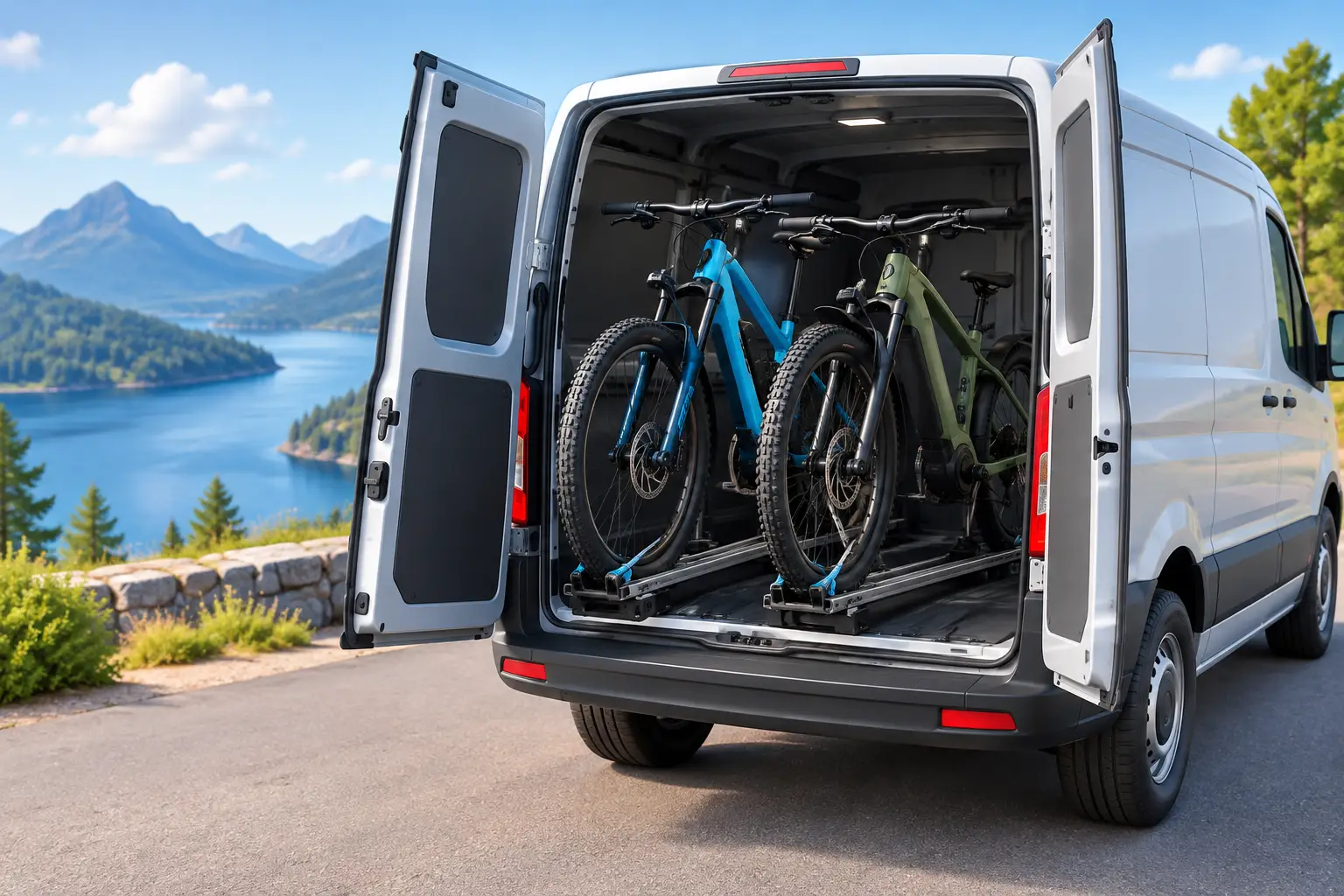
Transporting Bicycles and E-Bikes by Van Safely

A bicycle can be difficult to replace at short notice. An e-bike may be even more important, whether it is used for commuting, work or getting around locally. Transporting bicycles and e-bikes by van gives you more protection and flexibility than trying to fit them into a car, but the journey needs planning from the moment of collection.
The right van, careful loading and secure restraint all matter. So does choosing a direct service when the bike needs to travel between homes, shops, events, workplaces or repair centres. Fewer handling stages mean less opportunity for damage to frames, wheels, drivetrains and electrical components.
Why a van is a practical choice for bike transport
A van provides the space to carry a bike upright, wheel it in where access allows, or lay it down securely when required. This is particularly useful for e-bikes, cargo bikes, mountain bikes and bikes fitted with panniers, child seats or larger accessories.
It also avoids the compromises that come with a car boot or roof rack. You may not need to remove wheels, handlebars or pedals simply to make the bike fit. Keeping the bike closer to its normal riding position can reduce the time needed at each end of the journey and avoids unnecessary adjustment afterwards.
For a business, this can be useful when transporting demonstration stock, hire bikes, event equipment or staff bikes between locations. For private customers, it is a straightforward option for a house move, a marketplace collection, a repair booking or moving a bike to a university address.
The size of vehicle depends on the bike and what else is travelling. A standard bicycle may fit comfortably in a small van, while several bikes, boxed stock or an e-bike with a long wheelbase may call for a larger vehicle. It is better to discuss the load before booking than assume every bike will fit in the same space.
Preparing bicycles and e-bikes for transport
A clean, well-prepared bike is easier to handle safely. Before collection, remove loose items such as lights, pumps, computers, water bottles and detachable bags. These items can be packed separately and protected, rather than left where they might move or get knocked in transit.
If the bike has mudguards, a rear rack or a derailleur, let the courier know. These parts do not prevent transport, but they affect how the bike should be positioned and secured. It also helps to mention unusually wide handlebars, very large tyres, a child seat or a cargo box when asking for a quote.
For e-bikes, follow the manufacturer’s guidance for the battery. If the battery is removable, it may be sensible to remove it and carry it in a suitable protective case, particularly for a longer journey. Keep it dry, avoid placing heavy items on it and ensure it cannot move around. The bike should be switched off before loading.
Take a few clear photographs before collection if the bike is valuable or has existing marks. This is a useful record for you, especially when a bike is being sold, sent for repair or handed over at a new address.
Do not rely on the kickstand
A kickstand is designed to hold a parked bike on level ground, not to keep it stable in a moving vehicle. The bike needs proper restraint to prevent it falling, rolling or rubbing against other items. The same applies to a bike placed in a cardboard box. The box protects the finish, but it still needs to be secured inside the van.
Loading a bicycle safely into a van
Loading is where most avoidable damage occurs. A bike should be lifted or wheeled in carefully, with attention paid to the pedals, handlebars and rear derailleur. E-bikes are heavier than standard bicycles, so two people may be appropriate for lifting one into a high-load area or over a step.
Where possible, keep bicycles separated with moving blankets, foam protection or similar padding. This helps prevent metal-on-metal contact between frames and stops pedals or handlebars from marking another bike. Protecting the rear derailleur is especially worthwhile, as it is exposed and can be easily bent if another item presses against it.
Once in place, the bike should be secured using suitable straps or restraints. Straps need to be firm enough to stop movement but should not be overtightened around delicate components, brake hoses, cables or battery housings. A secure frame point is generally preferable to a wheel, although the exact method depends on the bike and how it is positioned.
If several bikes are travelling together, alternate their direction where practical. Placing one bike forwards and the next backwards can create more room around handlebars and reduce contact points. It is a small detail that makes a difference when space is limited.
Transporting bicycles and e-bikes by van on a direct route
A direct, dedicated van service is well suited to bikes that need careful treatment. Instead of being passed between vehicles or handled through a sorting network, the bike remains in one vehicle from collection to destination. This can be particularly helpful for a high-value e-bike, a bike sold privately or a set of bikes needed for an event.
It also gives you more control over collection and delivery arrangements. You can explain whether there are stairs, narrow access, a gated property or a particular person who needs to receive the bike. If the destination is a bike shop or workshop, clear contact details can help make handover straightforward.
There are occasions when a boxed bike is the right answer, especially if it is being stored or the journey involves other household goods. However, a fully assembled bike in a dedicated vehicle can be the better choice when you want to avoid dismantling it and putting it back together. The right option depends on the journey, the bike’s value and the space available.
What information to provide when booking
Accurate information helps the transport be planned properly. You do not need to know every measurement, but a few details will help select a suitable vehicle and loading approach.
Tell the courier whether the bike is standard, electric, folding, cargo, tandem or unusually large. Include the number of bikes, whether batteries are fitted or removed, and whether there are other items to collect at the same time. Collection and delivery postcodes are essential, but access information is just as useful - for example, a flat above ground level, a tight driveway or a collection from a busy retail site.
If the journey is time-sensitive, explain why. A bike might need to reach a repairer before a planned trip, arrive at an event during a set-up window or be collected from a seller before they travel. Clear requirements allow the journey to be arranged around what matters to you, rather than leaving important details until collection.
When professional van transport makes sense
You may be able to move a lightweight bike yourself. But professional transport becomes a sensible option when the bike is heavy, expensive, awkward to lift or travelling a significant distance. It can also remove the difficulty of hiring a van, collecting it, returning it and managing loading without help.
For businesses, dedicated transport is useful when bike stock needs to reach a customer, shop or exhibition without unnecessary handling. For private customers, it can make a move, purchase or repair appointment much easier to manage.
DB Couriers can arrange a suitable vehicle for bicycles and e-bikes travelling locally or nationwide from Liverpool and the North West. We collect directly, secure the load carefully and take it to the agreed destination without passing it between vehicles.
If you need to move a bike, share the collection point, destination and a clear description of what is travelling. Request a free quote and we can help you arrange a practical, direct collection.
Comments